
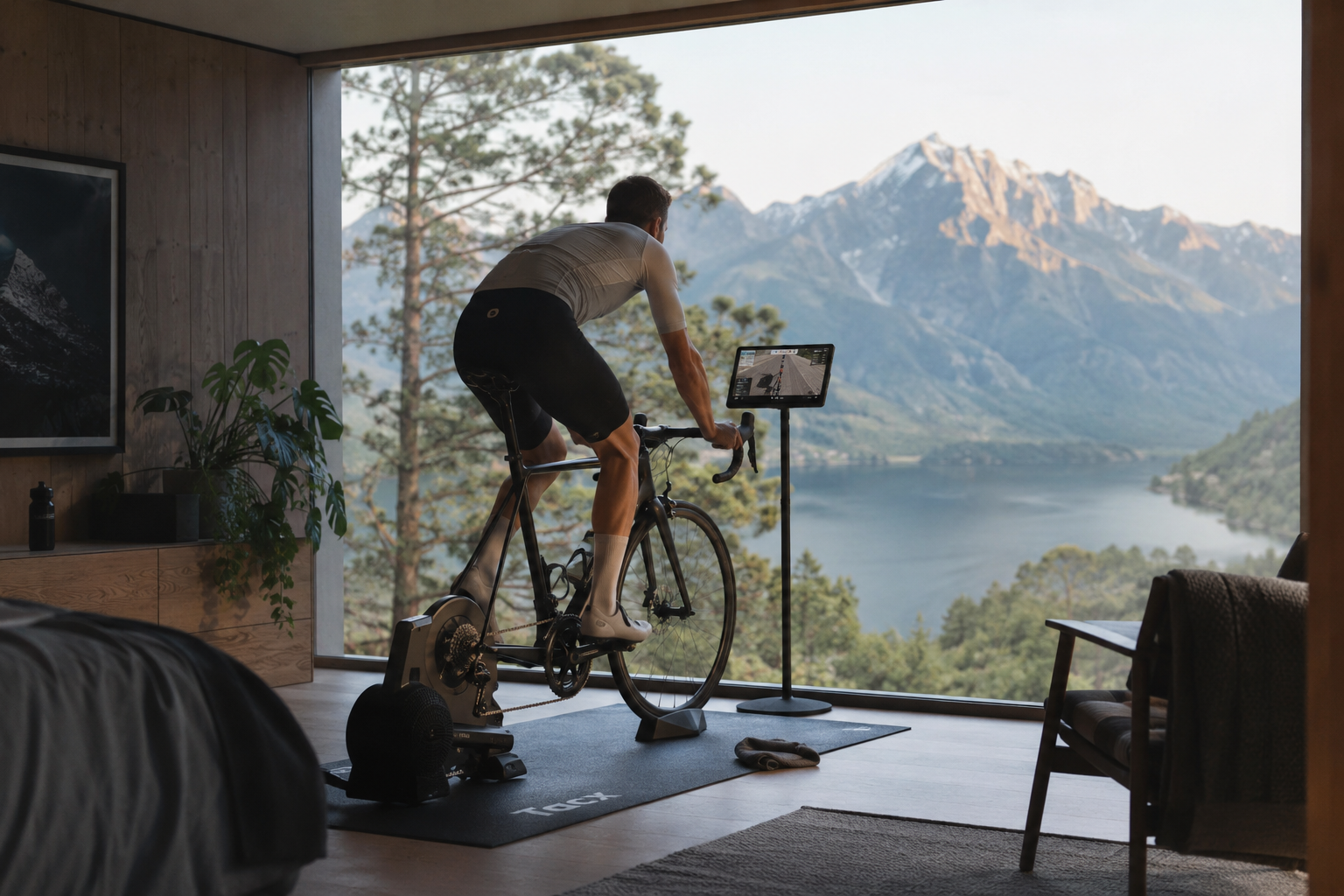
Hard VO2Max intervals, where in the final moments I feel like I’m about to spit out my lungs, gasping for air. Bike setups, where the fast pace of the transitions doesn’t allow me to look around and admire the beautiful landscape passing by. Zwift races, where in the final stretch, closing my sweaty eyes, I squeeze out the last bits of energy, while outside, the rain pours down and down. Steep climbs in the Peak District, where, while pushing the crank, I long for a few more teeth on the large chainring at the back, and standing on the pedals becomes a momentary necessity.
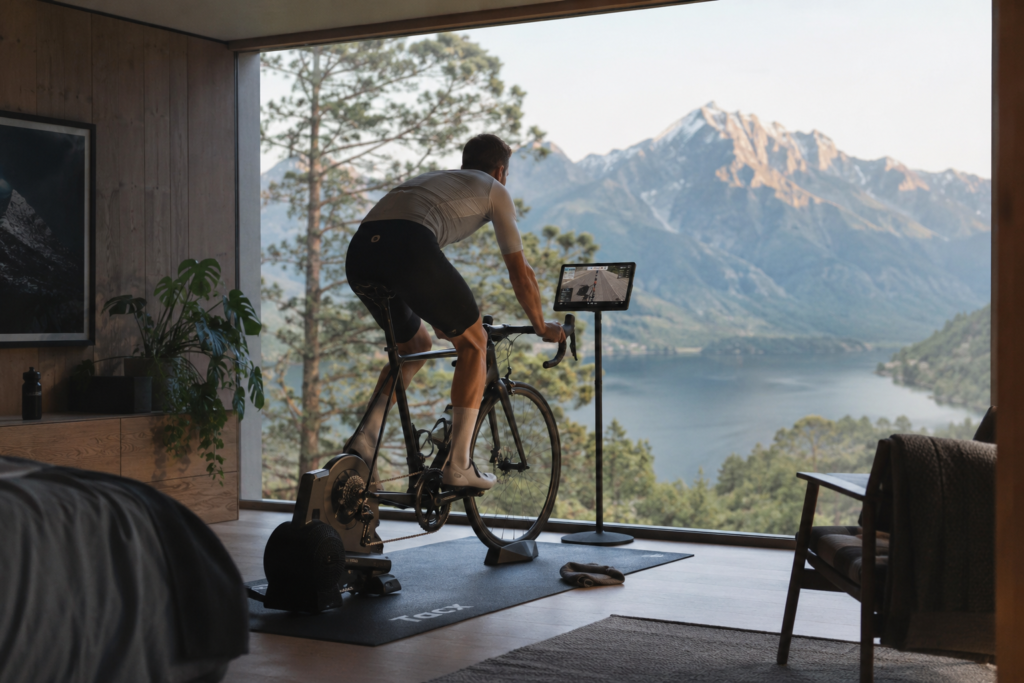
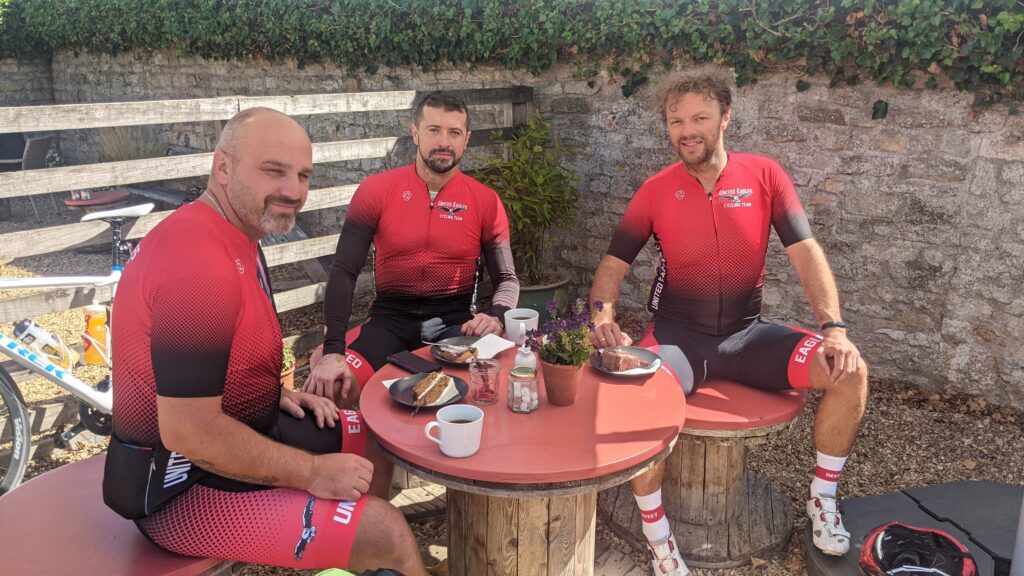
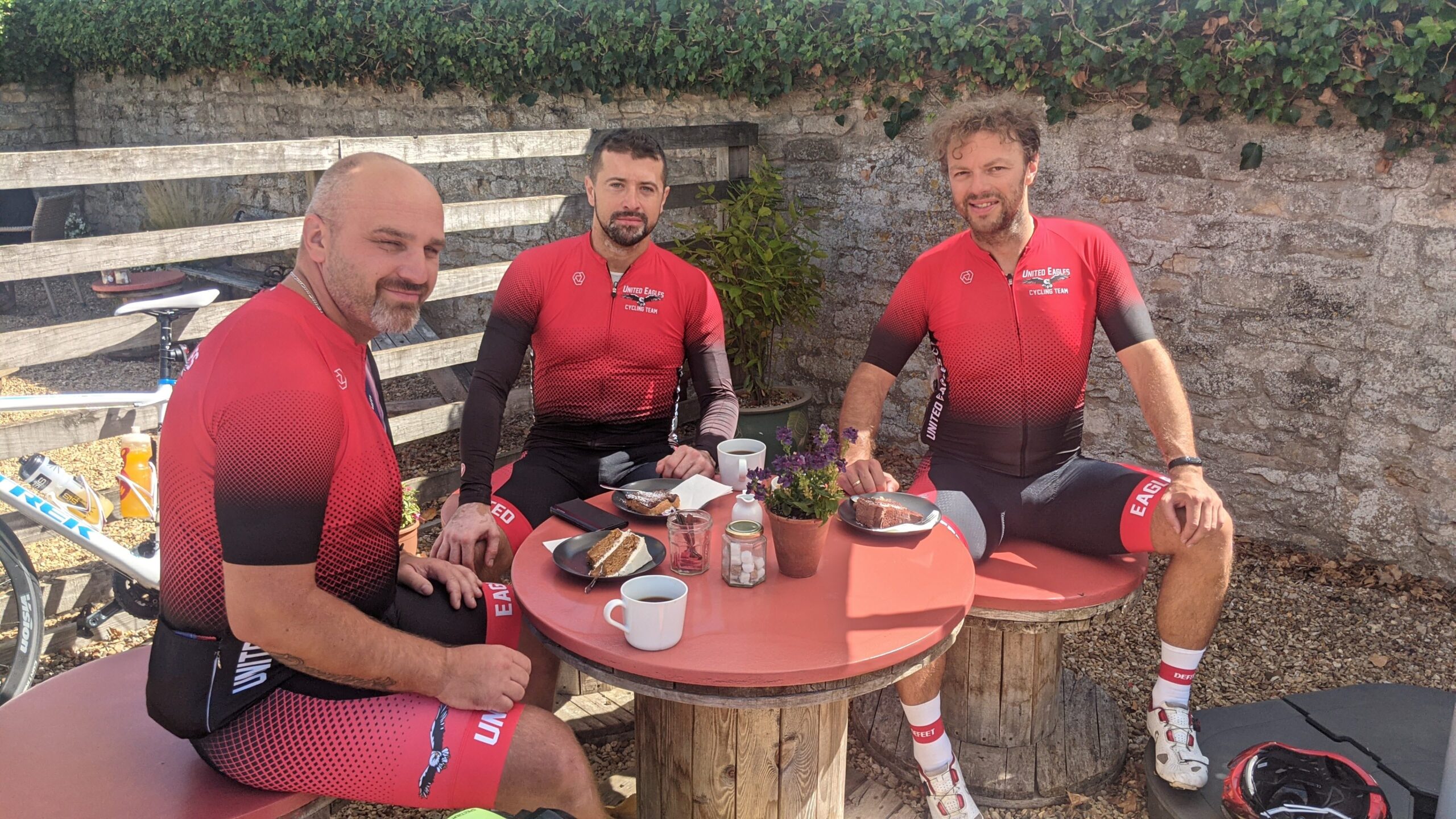
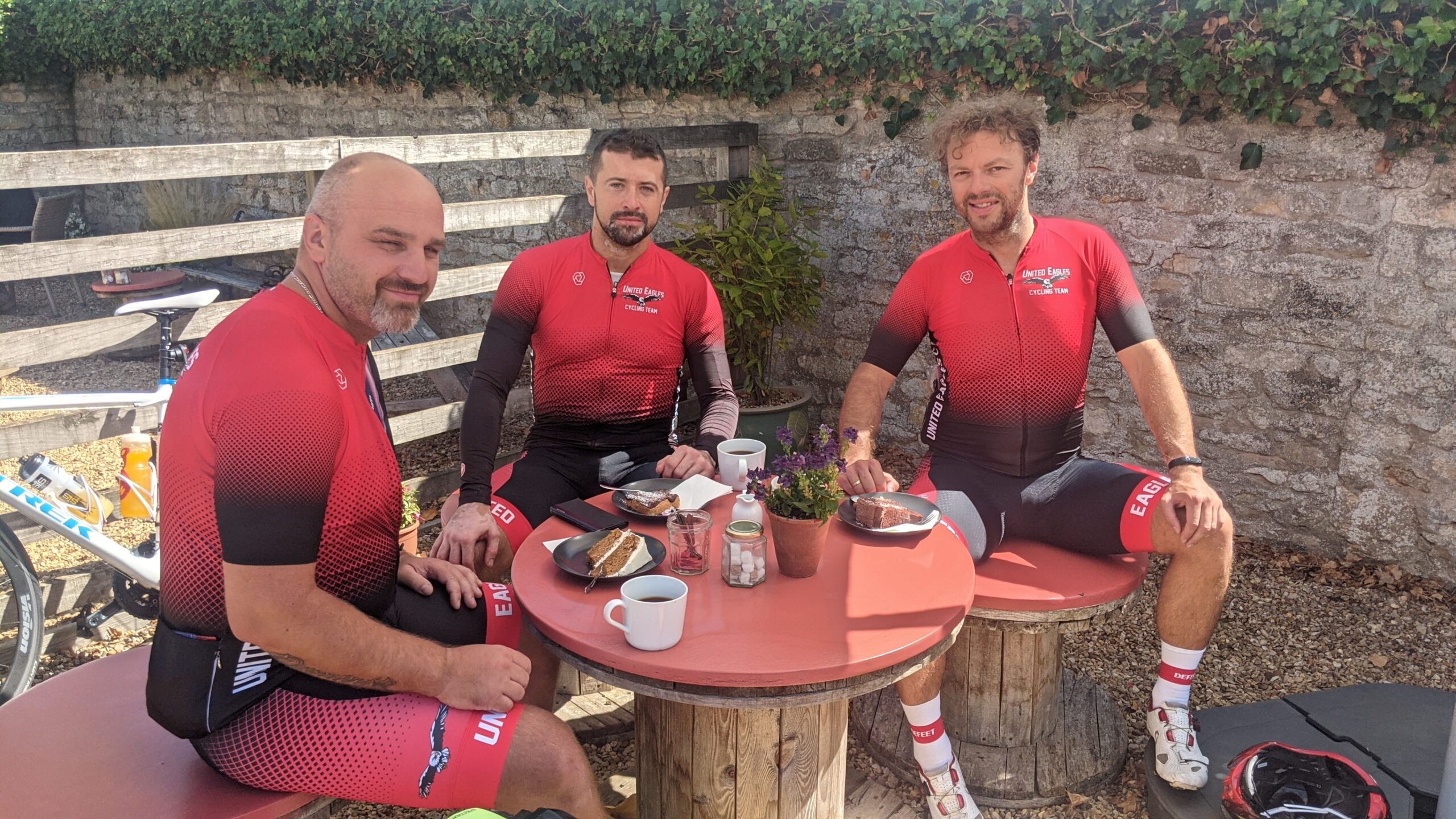
Suffering and pain are part of cycling; anyone who wants to improve their cycling performance knows them well. “Why am I even bothering?” makes you wonder, as Kasia said in the famous ad. What are other, more enjoyable aspects of cycling? Coffee rides immediately come to mind—long, low-intensity rides spent chatting with a companion who happens to be riding alongside, culminating in a cozy café with the wafting aroma of “caffeine” and homemade cakes.
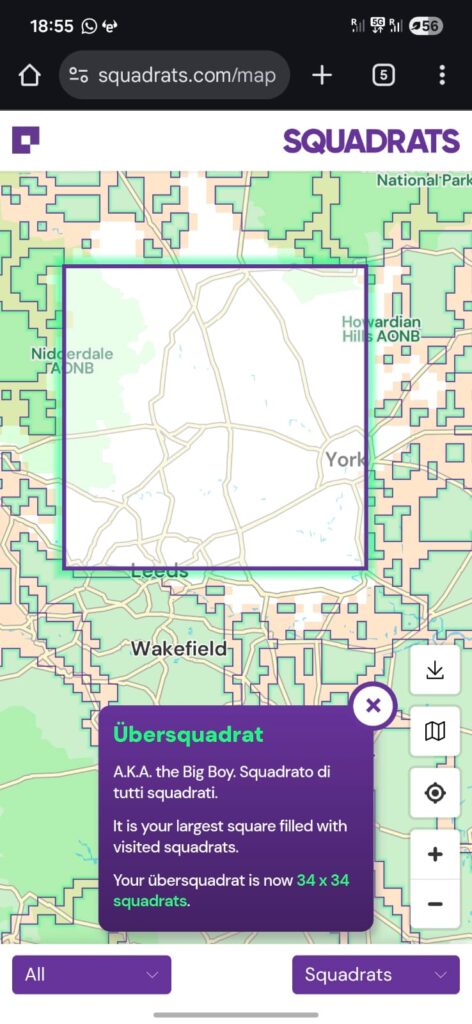
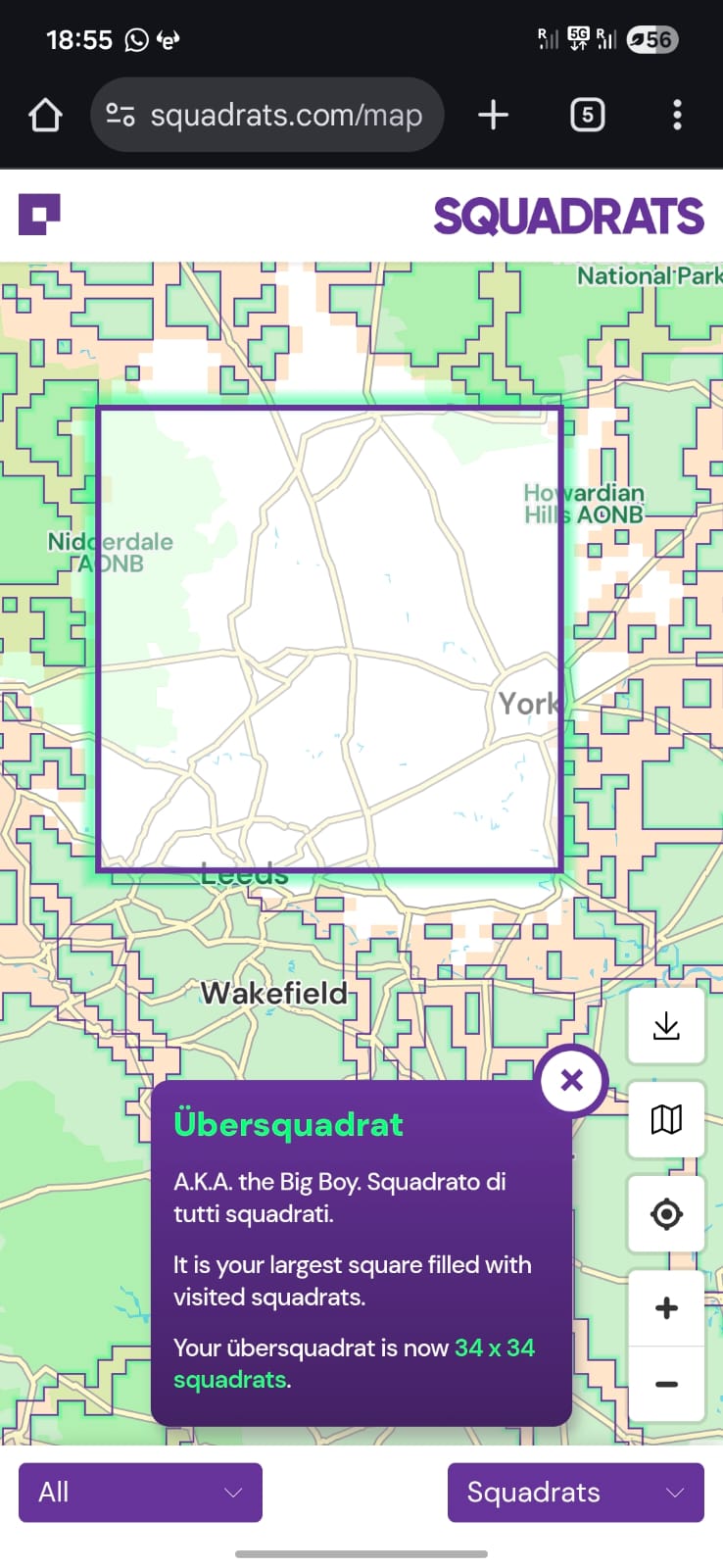
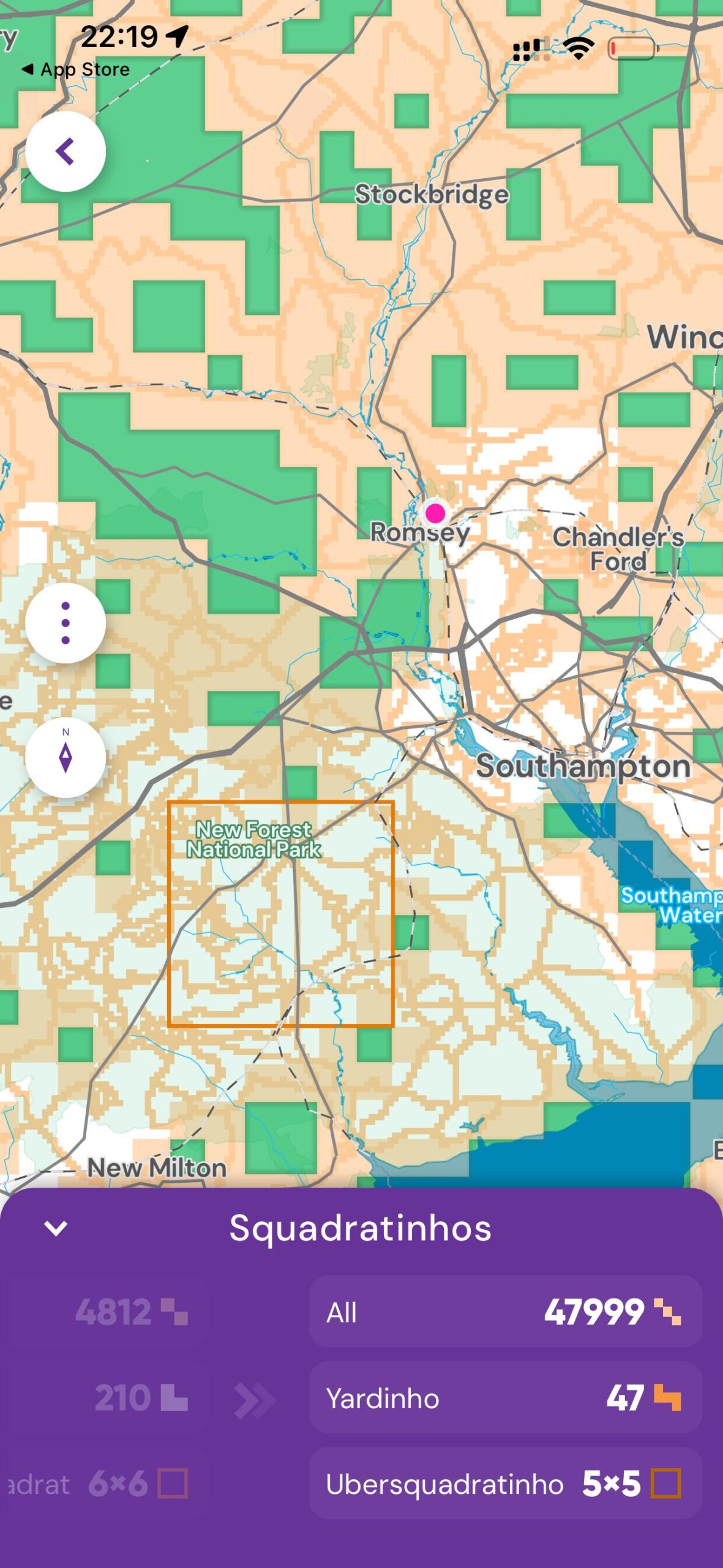
But that’s not what today’s topic is, after this somewhat lengthy introduction. It’s about Squadrats, our love of exploration, discovering new, sometimes surprising, places, but also ones we’ll never want to return to. So what is Squadrats? It divides our world into 1-mile-wide squares. By syncing it with Strava, every such square visited during a cycling, running, or simple walking activity is marked as discovered. You can progress, for example, by exploring the number of such squares discovered, and also build the largest possible, continuous area—a so-called übersquadrat, composed of adjacent squares. In this situation, to expand our übersquadrat, we often have to go to places we’ve completely ignored until now.
Let’s hear from Seweryn:
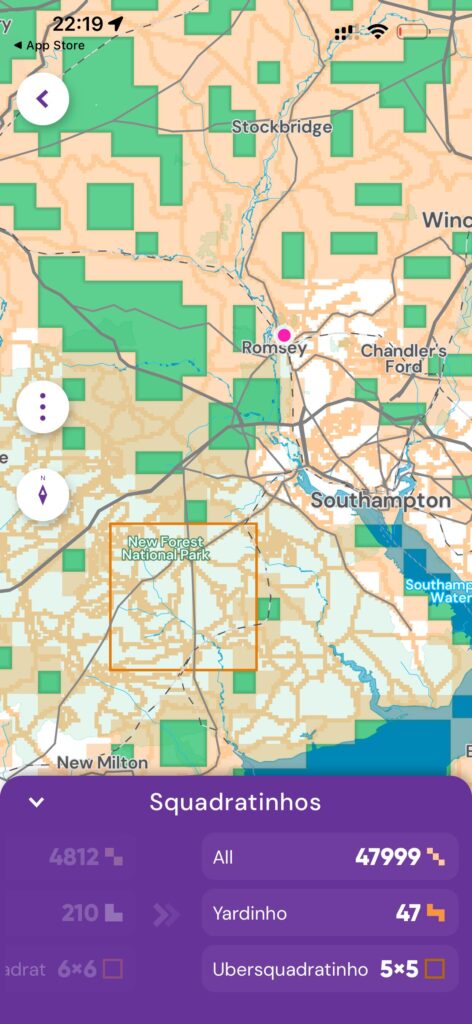
“I learned about Squadrats on New Year’s Eve 2024 from Paweł, a colleague from BH-ZTPL. As soon as I got back to England, the first thing I did was “suck in” all the activities from Strava. After an initial analysis, I thought, “Phew, expanding this area will be childish and a waste of time.” After all, I ride a lot and everywhere anyway. But then I discovered there was an overlay on Komoot that shows undiscovered squares directly on the map while planning my route. And that started to tempt me. The thought occurred to me, “I’ll catch one, maybe two while I’m at it.” And then… the dark green fields started to irritate me.
I had to visit them. Regular weekend rides turned into short, exciting expeditions. We now go on “squadrats” as a family – on foot or by light cycling. We enjoy it when we manage to “cover” a larger area or stumble upon an interesting spot we didn’t know existed. There are also places that are difficult to reach: private property, military bases, wetlands… But that doesn’t mean we don’t try. My son, soon to be an RAF cadet, eagerly takes on special assignments. He says, “Give me a watch, and I’ll run there. Like a commando. Like a ninja.”
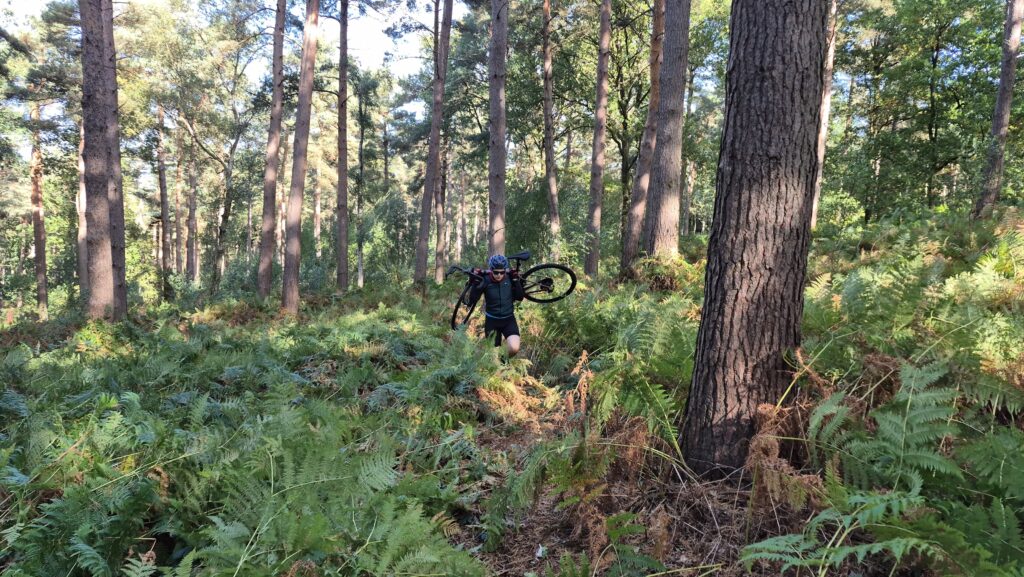
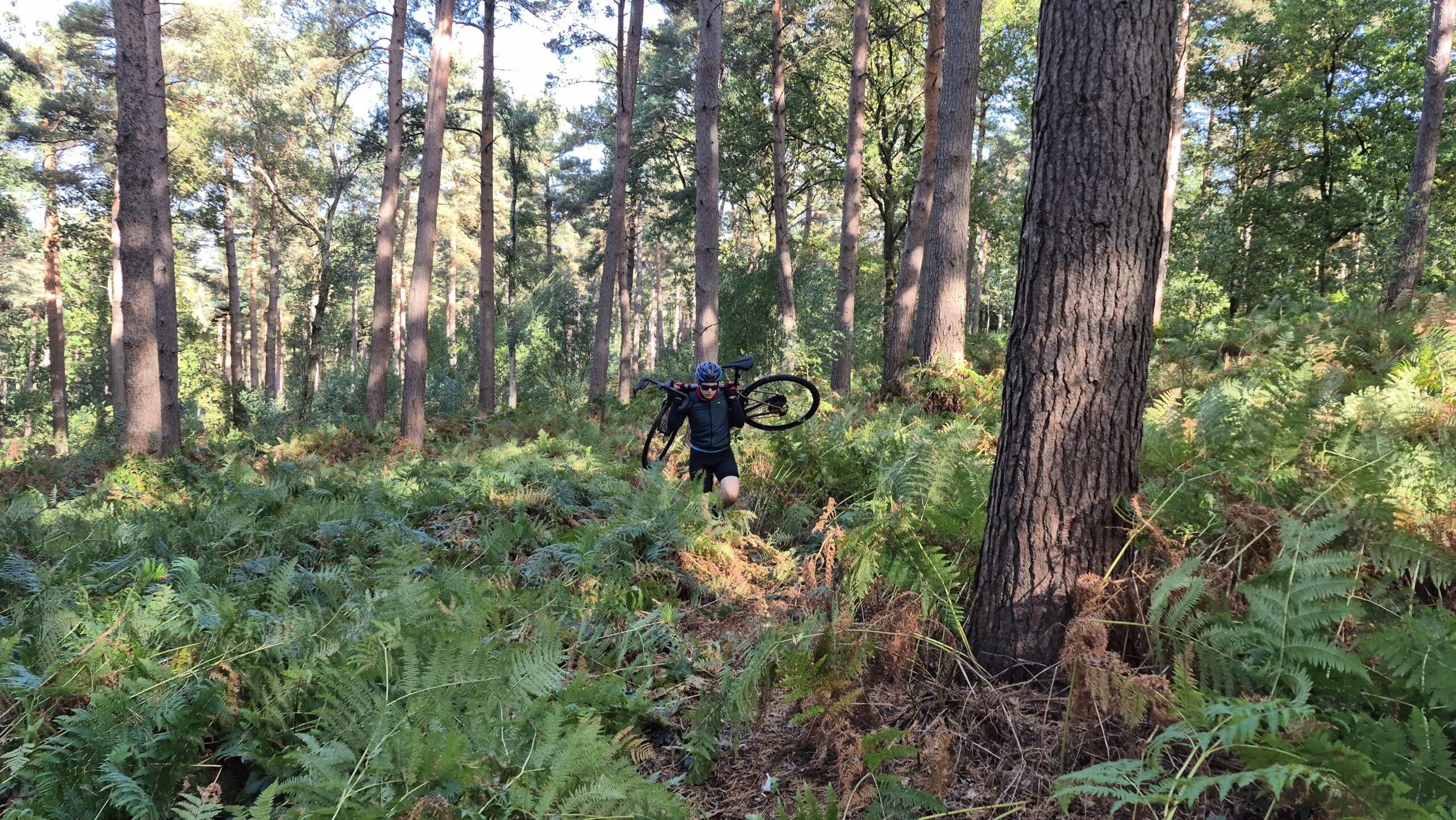
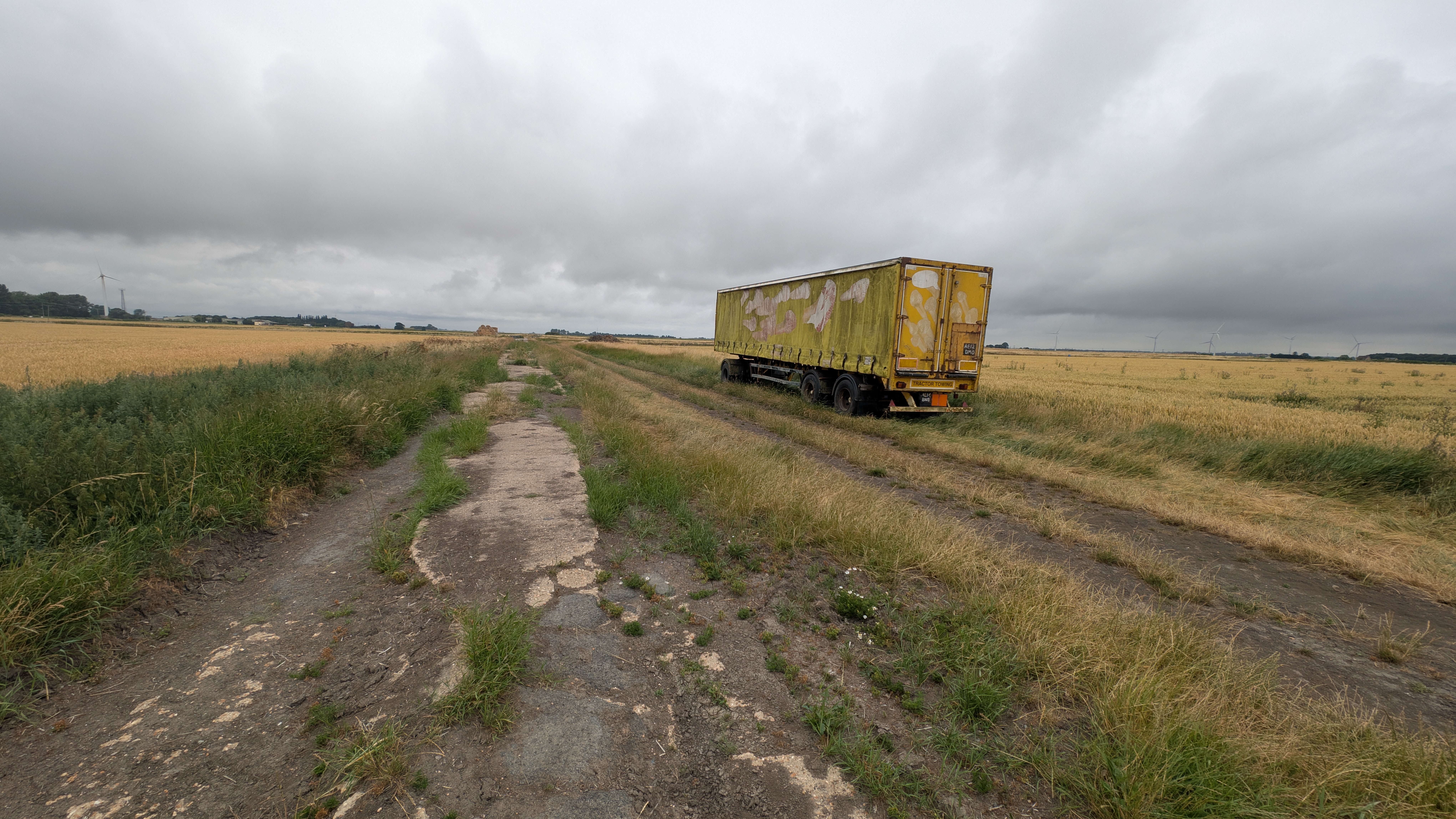
There’s something special about it – riding with no specific goal except to discover something new. I’m not racing against the clock, I’m not obsessing over my watts. I just ride. Suddenly, I arrive at villages I’ve never heard of, I pass forgotten cemeteries, forest paths leading nowhere, and sometimes I stumble upon a sight that compels me to stop and just be. From the outside, it might look strange – and honestly, it often is. On Strava, routes from trips to new squares resemble the ride of someone desperately trying to get lost: meandering, turning, twisting into nowhere. And that’s exactly what it’s like in real life. Suddenly, I find myself in someone’s yard, driving around a barn, turning around at the end of a dirt road – only for the system to register “square taken.” And sometimes, like last Sunday, I pretend to be walking “for the sake of it” – 400 meters into someone’s field, with my bike computer in one hand and my phone in the other, nervously looking around to see if anyone would let their dog out. Absurd? Sure. But the satisfaction – unmistakable. My Übersquadrat measures 34×34.”
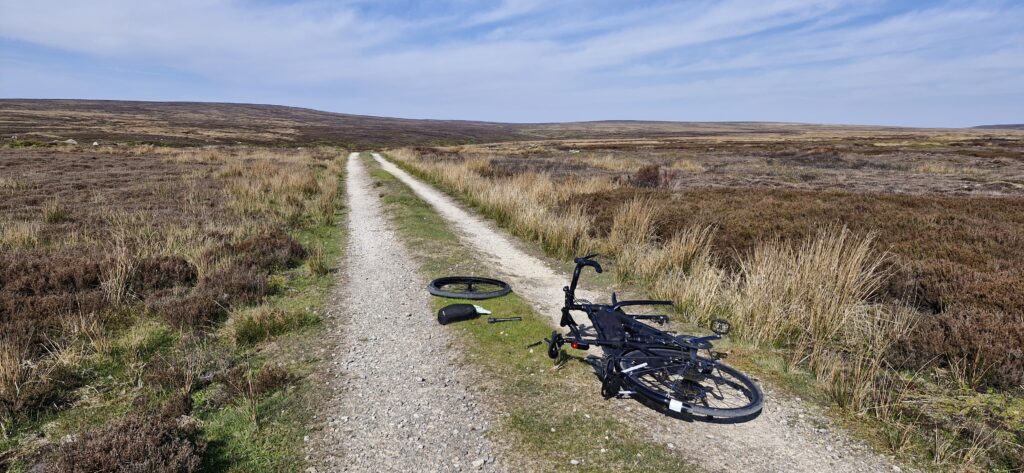
Marek also became interested in Squadrats.
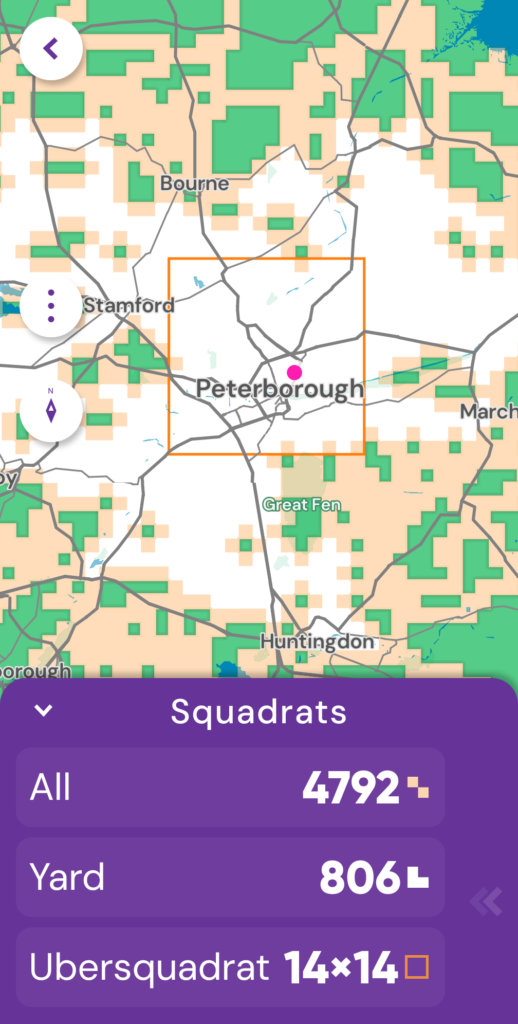
“I first read about Squadrats in an interview with Seweryn. I have to say, it immediately piqued my interest. I’ve always had a penchant for visiting new places. I have my favorite routes near home, but if there’s an opportunity to go further afield, I’ve often created a route to explore new areas. Additionally, a road bike offered great opportunities; in a single day, I could cover 60, 80, or even more kilometers from home. I have over 300 routes I’ve created on Strava alone. Another thing is that Strava doesn’t provide any tools to easily organize them 😏. Squadrats is a real headache. Even the seemingly straight-ahead route from work was modified several times with voluntary detours.
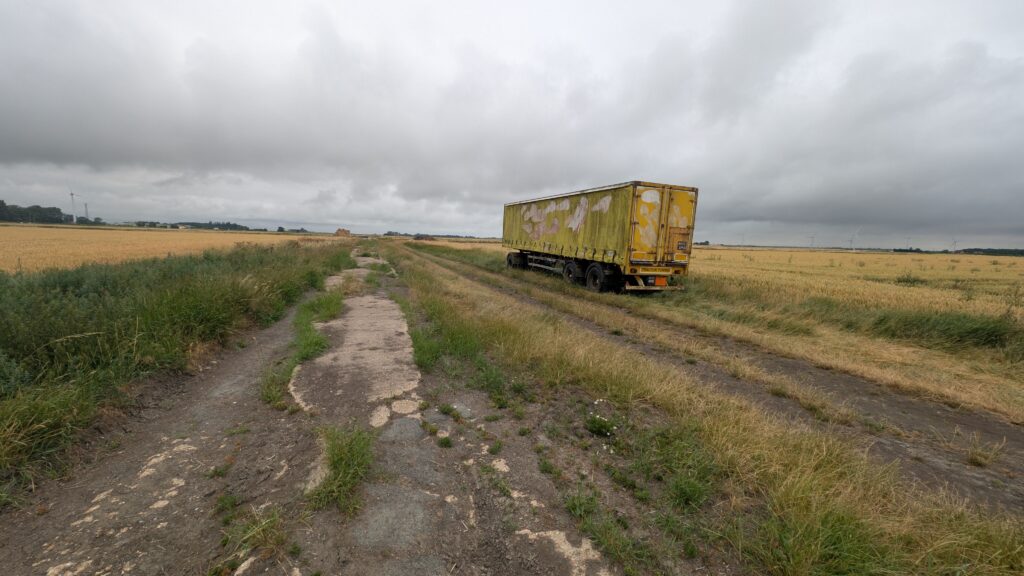
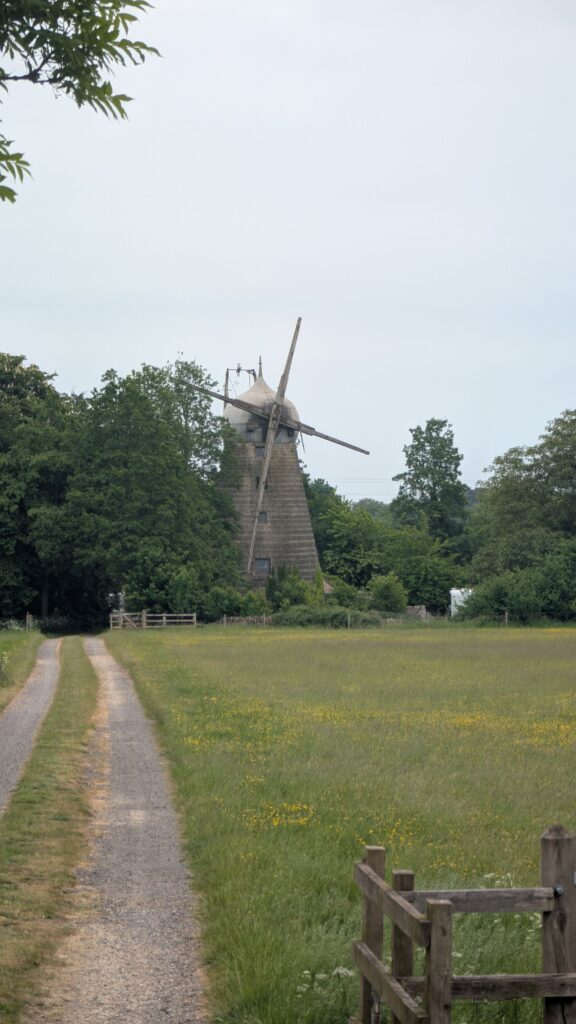
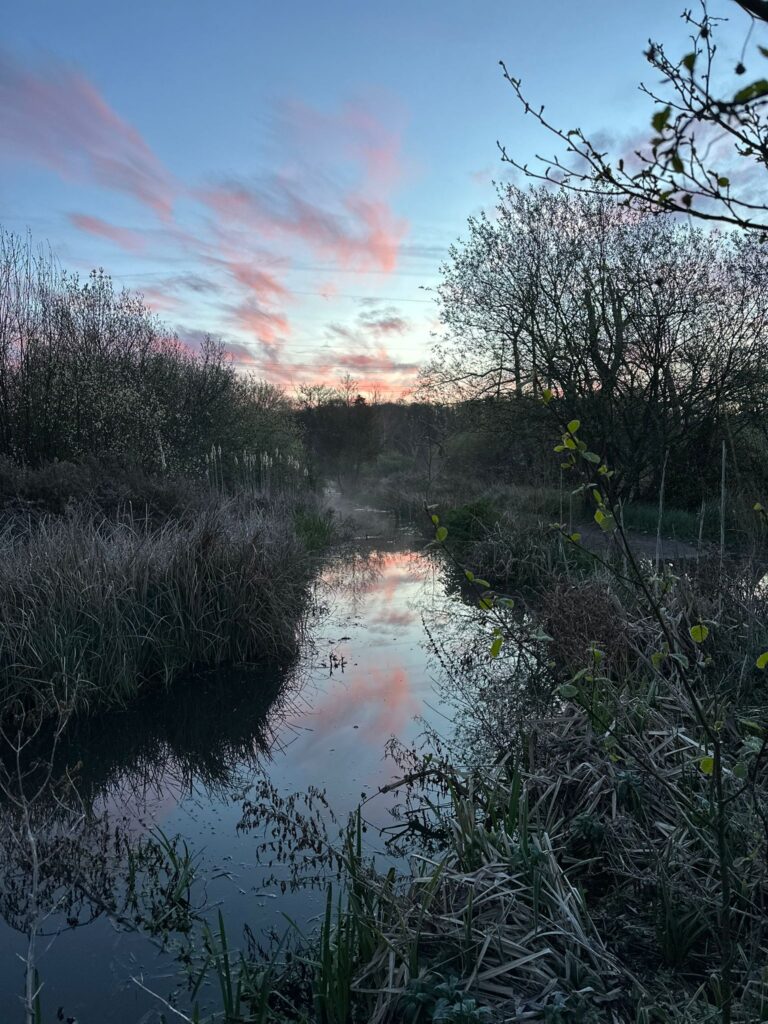
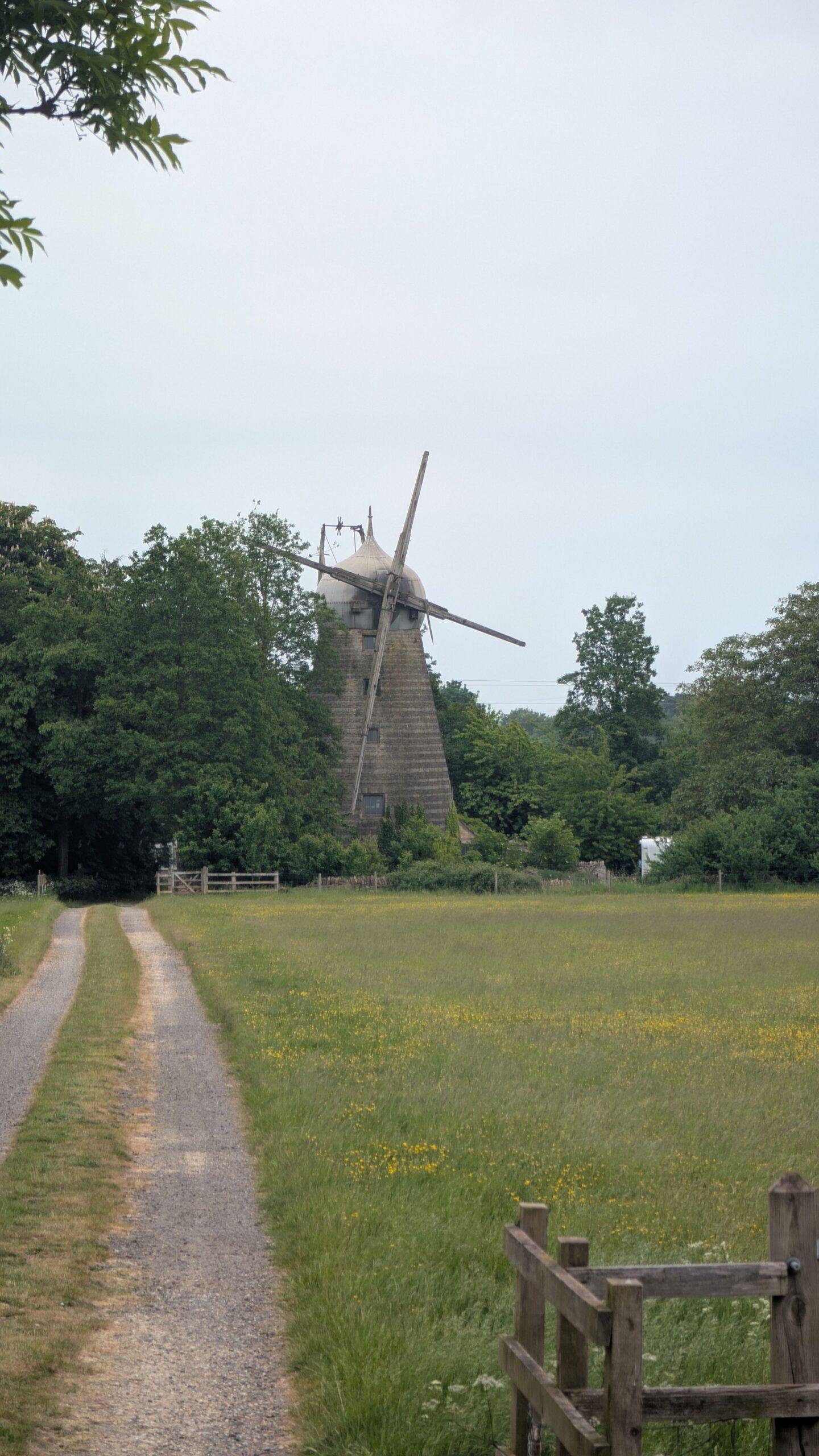
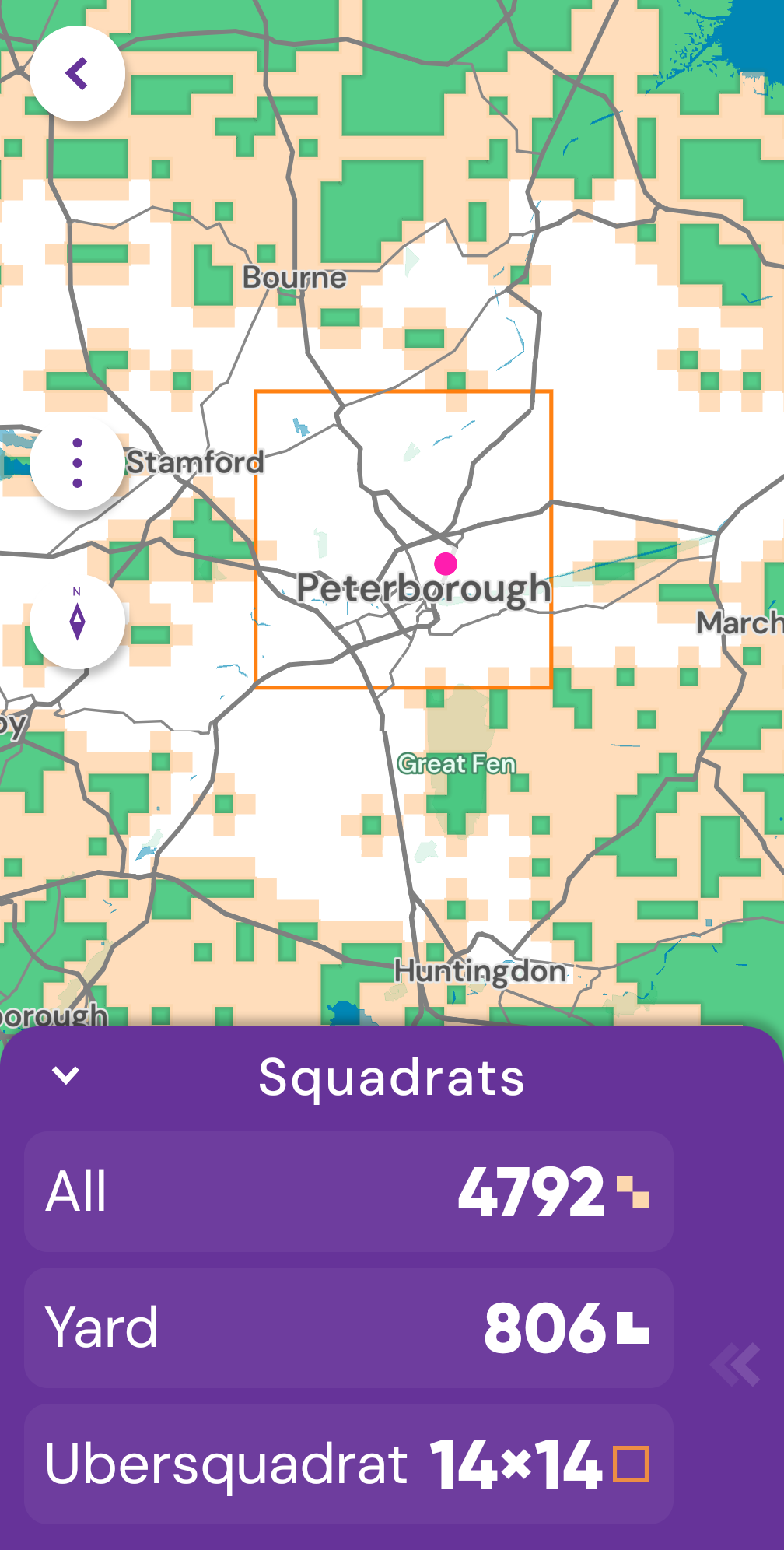
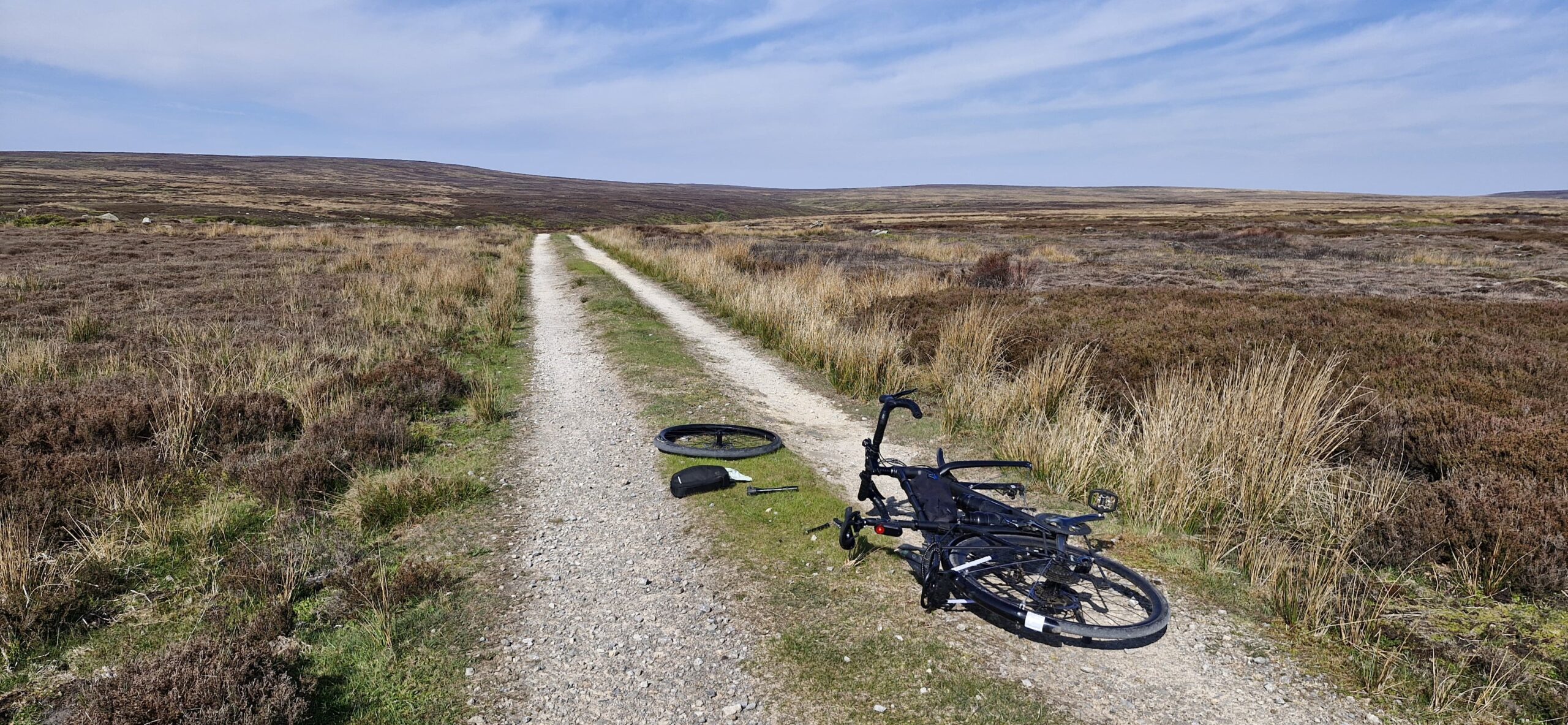
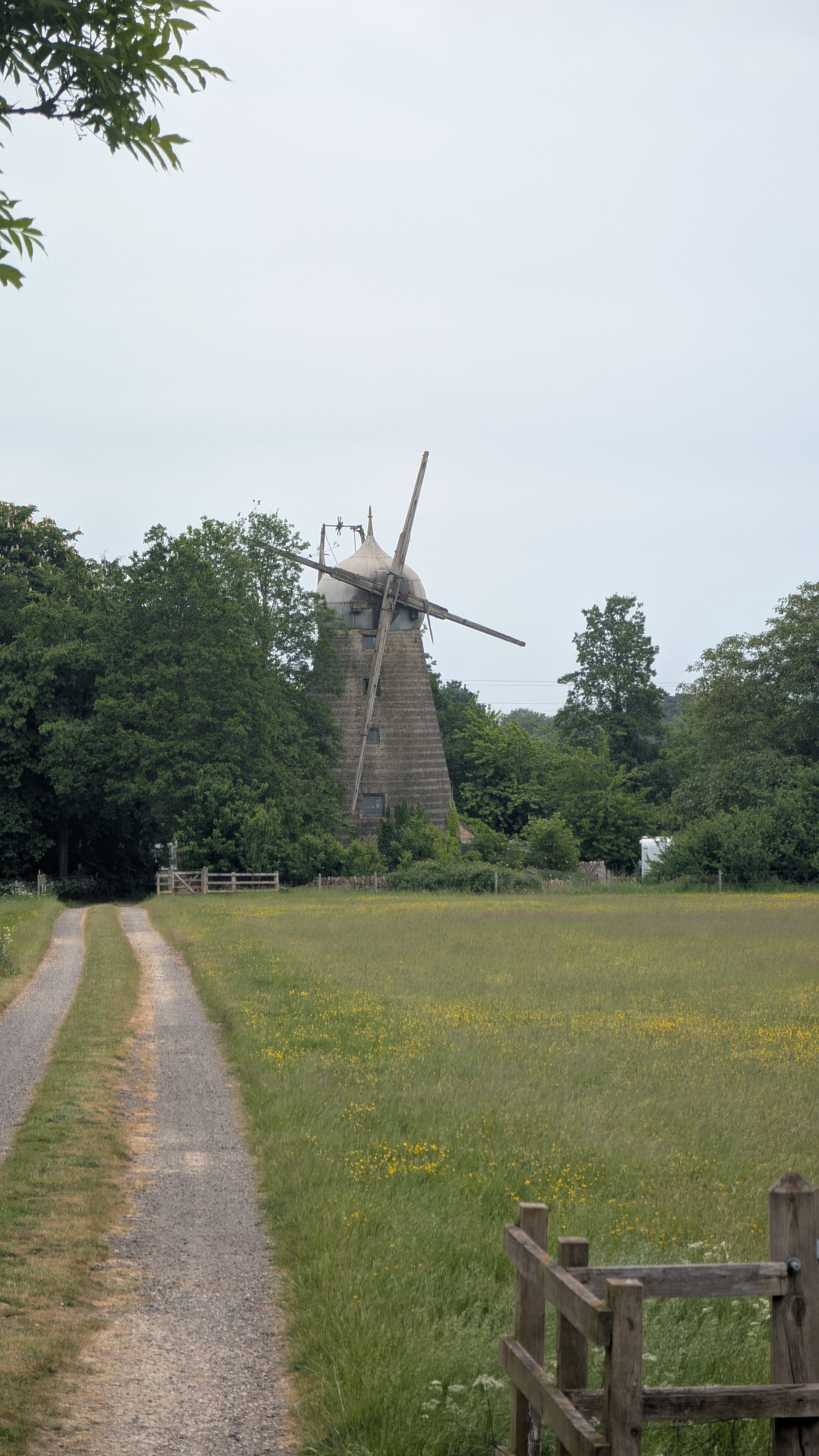
On the positive side, I also decided to try off-road riding. That’s how gravel came to me, and suddenly, squares among fields and meadows without any paved roads became accessible. Routes like a detour around a military base are already waiting (how long can you wait until they make a Sportive out of that base 😉 ), and routes along the ubiquitous canals in the fields will be more comfortable on wider tires. In some areas, reconnaissance is conducted first. Google Streets doesn’t always accurately reflect the current landscape or road access, and only then does it decide whether it’s worth trying to ride through, or perhaps approaching from a different direction, or ignoring the private road sign. There are undoubtedly big positives to this experience, like an open path through a nature reserve with passing deer or the sight of an old windmill tucked away out of sight. When I first imported my activity from Strava, I had an übersquadrat measuring 5×5. Now that 14×14 has been revealed, the potential is huge; all that’s left is to collect the green squares scattered here and there.
And this is what Tomek Sobkowiak writes about Squadrats.
“Squadrats surprised me with how much it changed the way I perceive my training and cycling trips. When, after syncing with Strava, I saw that my previous routes had been converted into thousands of small squares, I suddenly realized how much more there was to discover. It wasn’t just cycling anymore—it became a kind of mission, where each new square on the map was a small victory.
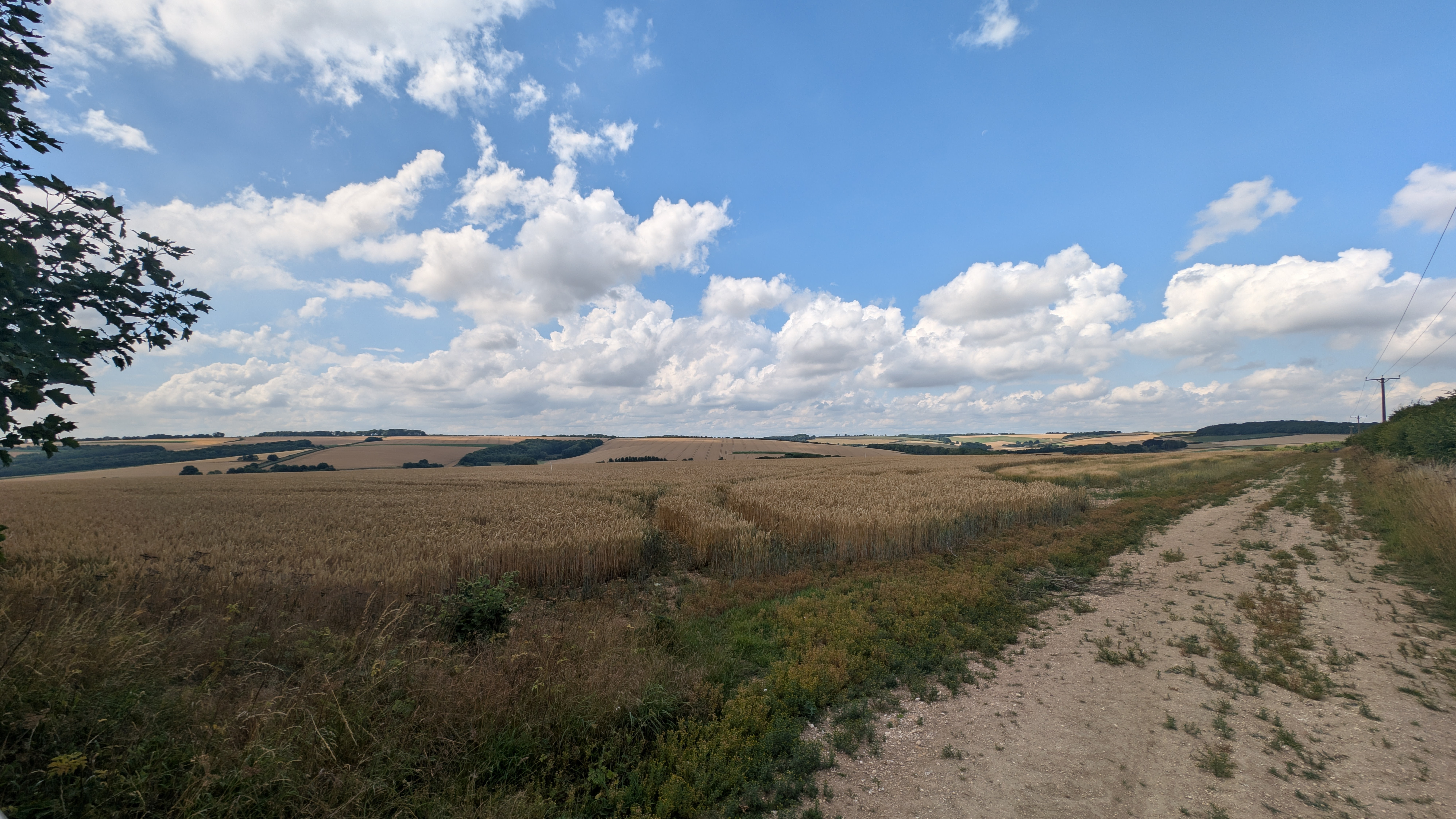
It started with curiosity, but quickly turned into a challenge that forced me to seek new paths, explore places I wouldn’t have found before. Thanks to this, I discovered unusual trails, forgotten roads, and areas that were just empty spaces on the map but in reality held something extraordinary. Suddenly, I started planning my routes differently, and riding stopped being a repetitive pattern—now every trip is an adventure in which I can push my limits. Instead of sticking to the beaten path, I seek new paths, I look at the terrain as a puzzle that I can gradually complete. This experience has taught me It’s made me realize that even in a familiar area, you can find something new. Squadrats made me reassess my abilities, and each new trip is an opportunity to test myself and push my limits.”
Summary
When the rain pours down and down, it’s worth sitting down with a map and planning a route that will reveal new Squadrats. Squadrats begins innocently – with curiosity, with clicking on the map. And then it transforms ordinary rides into expeditions. Seweryn got his whole family involved, Marek turned his commute into off-road detours, and Tomek viewed his training as a quest for discovery. Each of them found something for themselves: the thrill of achievement, a reason to get back on the bike, or simply a different way of looking at familiar surroundings. Sometimes it takes so little to inject a little excitement into a routine. All you need is a map, a bit of curiosity, and the willingness to take a turn where you usually don’t. Squadrats is a Polish company, so we invite you to delve even deeper into the square world.



 English (UK)
  Polski